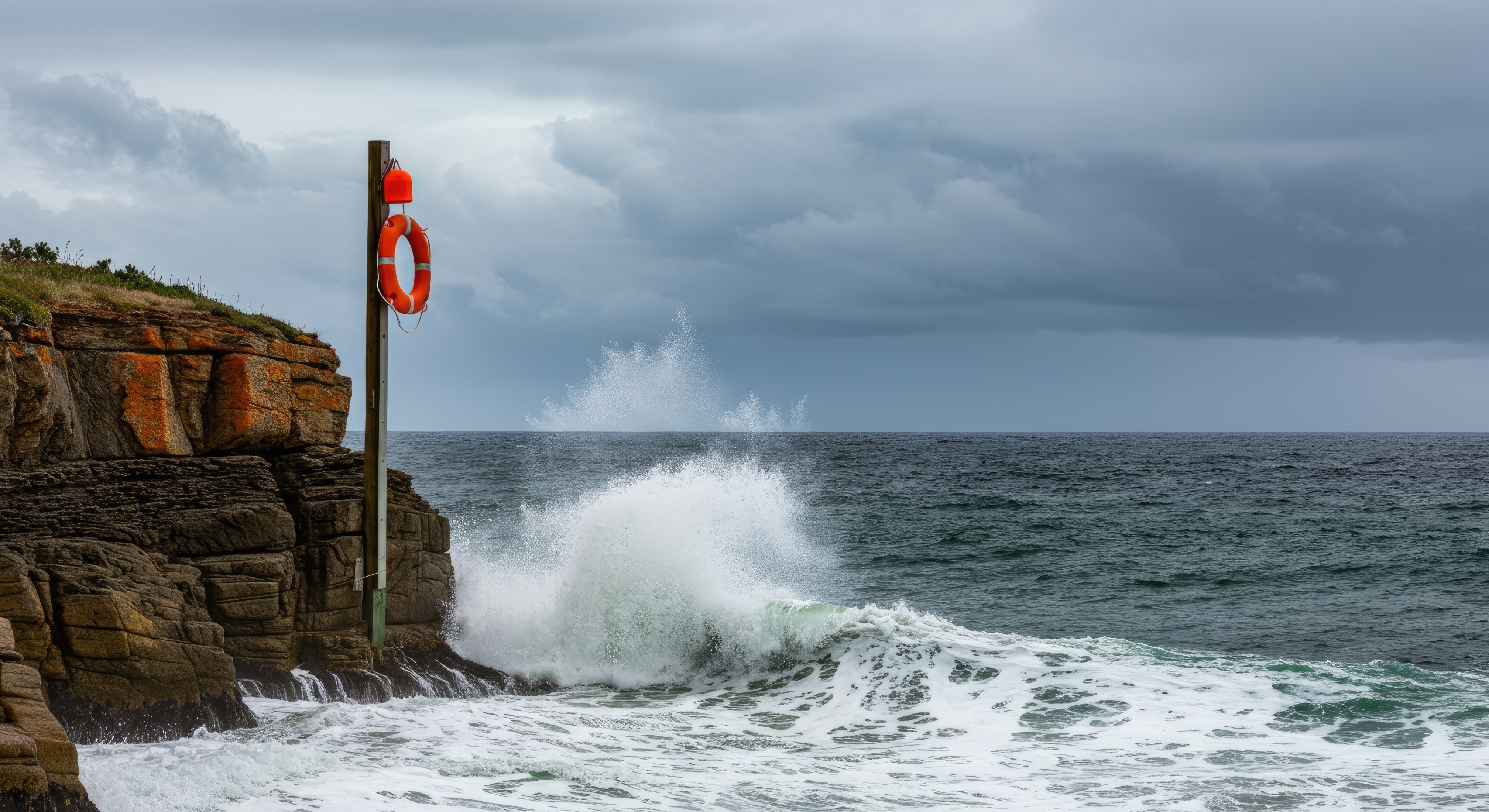
Coastal flood warnings issued across the United States and Europe are no longer isolated or seasonal events. They are increasingly part of a wider, interconnected global pattern driven by rising sea levels, intensifying storms, and shifting climate systems. From the Atlantic seaboard of the U.S. to low-lying coastal regions in Western Europe, authorities are warning that flooding risks are escalating faster than many communities are prepared for. What was once considered an occasional hazard is becoming a persistent and costly threat with far-reaching implications.
In the United States, coastal flood alerts have become more frequent along the East Coast, Gulf Coast, and parts of the Pacific shoreline. Cities such as Miami, New York, Charleston, and New Orleans are already experiencing “sunny day flooding,” where high tides alone are enough to inundate streets and infrastructure. These events are not necessarily tied to hurricanes or extreme storms but are instead the result of steadily rising sea levels combined with land subsidence in some regions. For millions of Americans living near the coast, flooding is no longer a future concern; it is a present-day reality.
Across the Atlantic, Europe is facing similar challenges. Countries including the United Kingdom, the Netherlands, France, and Italy have all issued heightened coastal flood warnings in recent years. Storm surges in the North Sea, rising tidal levels along the English Channel, and erosion along the Mediterranean coastline are placing pressure on ageing flood defences. Even nations with advanced coastal management systems are finding that historical protections were not designed to cope with the pace and scale of modern climate-driven changes.
What makes these warnings particularly significant is the shared nature of the risk. Coastal flooding in the U.S. and Europe stems from the same global drivers, including thermal expansion of warming oceans and the melting of polar ice sheets. As sea levels rise globally, no coastline is immune. This interconnectedness means that lessons learned in one region can inform responses elsewhere, but it also highlights how widespread and systemic the threat has become.
For the U.S., the economic consequences are especially stark. Coastal counties account for a substantial proportion of national GDP, hosting major ports, financial centres, tourism hubs, and critical infrastructure. Flood damage to roads, power grids, sewage systems, and housing not only disrupts daily life but also places a growing burden on federal and state budgets. Insurance costs are rising sharply, and in some areas, private insurers are withdrawing coverage altogether, leaving homeowners exposed and property markets increasingly unstable.
Europe faces comparable economic pressures, particularly in historic coastal cities where infrastructure cannot easily be relocated or redesigned. In places such as Venice, Amsterdam, and parts of coastal Britain, flood events threaten cultural heritage as much as modern assets. Temporary barriers and emergency responses offer short-term relief, but they are expensive to maintain and often insufficient during severe weather events. The challenge for European governments mirrors that of the U.S.: how to balance immediate protection with long-term adaptation.
Climate scientists warn that coastal flood risks are likely to accelerate over the coming decades, even under moderate emissions scenarios. Rising sea levels increase the baseline upon which storms and tides act, meaning that events once considered rare could occur annually or even multiple times a year. For US coastal communities, this translates into more frequent evacuations, repeated property damage, and mounting social inequality, as lower-income households often have fewer resources to recover or relocate.
Another critical issue highlighted by transatlantic flood warnings is the strain on emergency management systems. As flooding becomes more frequent, emergency services are required to respond repeatedly to similar crises, stretching personnel and resources. In both the U.S. and Europe, authorities are beginning to shift from reactive disaster response to proactive risk management, investing in early warning systems, coastal restoration, and resilient urban planning. However, progress is uneven and often slowed by political, financial, and regulatory barriers.
Public awareness is also evolving. Coastal flood warnings that once seemed abstract are now gaining attention as communities experience disruptions firsthand. In the U.S., residents are increasingly engaging in discussions about climate resilience, infrastructure funding, and managed retreat from high-risk areas. Europe is seeing similar debates, particularly around the costs of large-scale engineering projects versus nature-based solutions such as wetland restoration and dune reinforcement.
Ultimately, the growing alignment of coastal flood risks in the U.S. and Europe underscores a broader truth: climate impacts do not respect national borders. What happens along one coastline is part of a global system affecting economies, ecosystems, and societies worldwide. As warnings become more frequent and more severe, the question is no longer whether coastal flooding will intensify, but how effectively nations can adapt to protect lives, livelihoods, and long-term stability.
The rising tide of coastal flood warnings should be seen not only as an environmental issue but as a strategic, economic, and social challenge. For the United States, observing and collaborating with European counterparts may provide valuable insights into long-term resilience planning. Conversely, Europe can learn from the scale and innovation of American climate research and emergency response systems. Addressing coastal flood risk will require sustained international cooperation, clear communication, and a willingness to rethink how and where coastal communities can safely thrive in a changing world.
FAQs
Why are coastal flood warnings becoming more frequent in the United States?
Coastal flood warnings are increasing in the U.S. primarily due to rising sea levels, land subsidence in certain regions, and more intense storm systems. Even minor weather events can now trigger flooding in vulnerable coastal areas.
Are coastal flood risks in Europe similar to those in the U.S.?
Yes, many European coastal regions face similar risks, including higher sea levels and stronger storm surges. While infrastructure and geography differ, the underlying climate drivers are the same.
What is “sunny day flooding” and why is it a concern?
Sunny day flooding occurs during high tides without storms or heavy rainfall. It indicates that sea levels have risen enough to overwhelm existing drainage and flood defences, signalling long-term vulnerability.
How does coastal flooding impact the US economy?
Coastal flooding damages infrastructure, disrupts businesses, raises insurance costs, and reduces property values. Since coastal regions contribute significantly to the national economy, repeated flooding has wide economic repercussions.
Can coastal flood risks be reduced through infrastructure alone?
Infrastructure plays an important role, but it is not sufficient on its own. Long-term risk reduction also requires land-use planning, ecosystem restoration, and climate adaptation strategies.
Are governments taking coastal flood warnings seriously?
Both U.S. and European governments are increasing investments in resilience and early warning systems, but the scale of the challenge means progress is often slower than the pace of risk escalation.
What can individuals in coastal areas do to prepare for rising flood risks?
Individuals can stay informed through local warning systems, invest in flood-resilient home measures, review insurance coverage, and engage in community planning efforts focused on long-term adaptation.